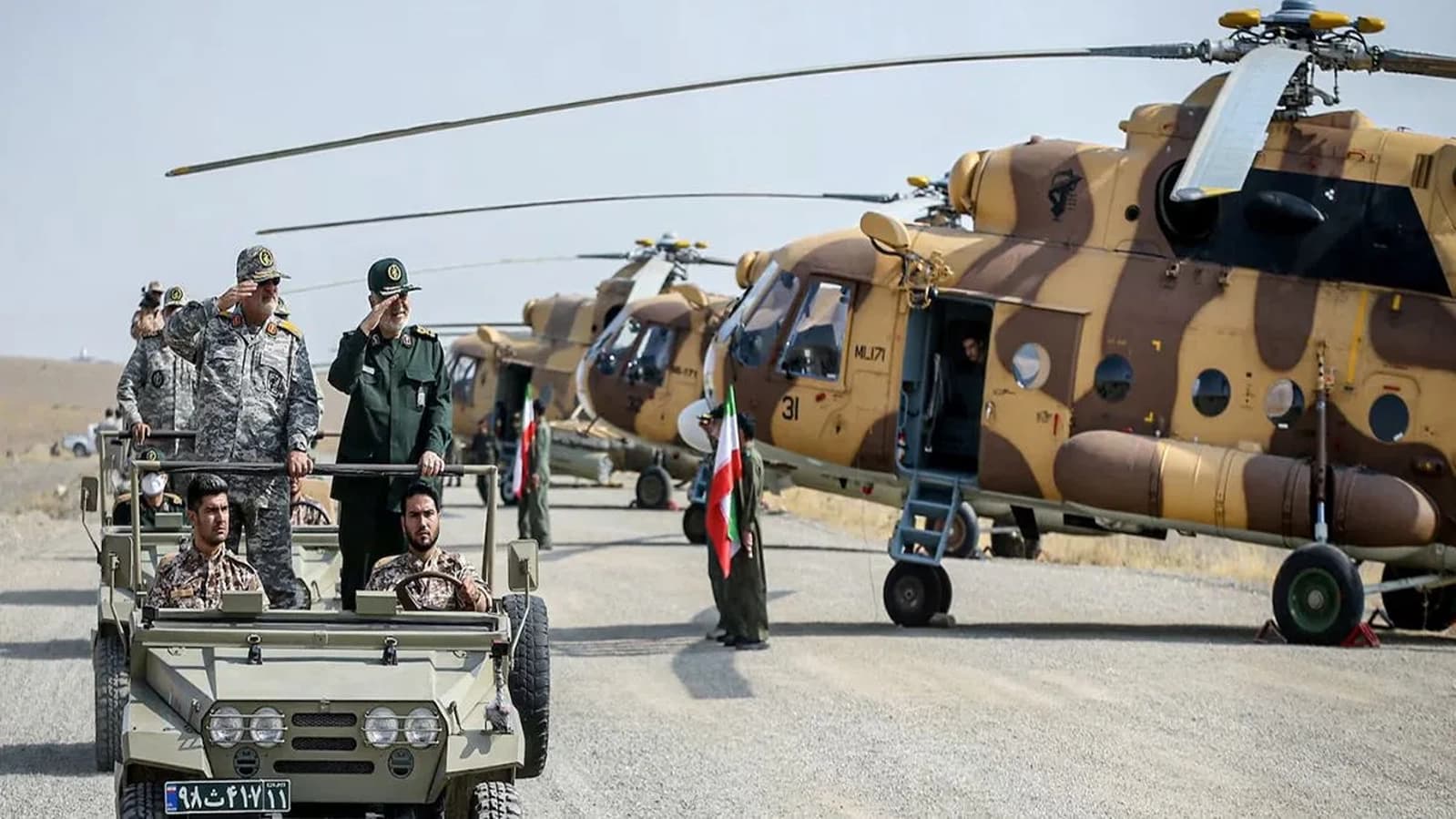
Iran’s internal power dynamics appear to have shifted sharply, with the Islamic Revolutionary Guard Corps (IRGC) consolidating control over both military operations and key diplomatic decisions, according to multiple regional assessments and a report by the New York Post.
The development comes at a volatile moment in West Asia, as tensions escalate in the Strait of Hormuz—a critical global oil transit route—and fragile backchannel communications between Tehran and Washington show signs of faltering.

Hardliners tighten grip, moderates lose ground
Analysts suggest the shift reflects a broader marginalization of relatively pragmatic voices within Iran’s leadership. Figures previously associated with diplomatic outreach, including Foreign Minister Abbas Araghchi, appear to have lost influence as the IRGC asserts dominance.
At the center of this transition is IRGC Commander Ahmad Vahidi, who is believed to be playing an increasingly decisive role in shaping both military strategy and foreign policy. The Institute for the Study of War (ISW) has indicated that recent developments point to a coordinated effort by hardline factions to centralize authority and limit diplomatic flexibility.
Iran’s earlier signals of openness to negotiations—including discussions around easing restrictions in the Strait of Hormuz—have reportedly been reversed. The IRGC is said to have opposed any such move, framing the closure of the waterway as a strategic response to ongoing US pressure and sanctions targeting Iranian exports.
Strategic alliance within security establishment
Vahidi’s influence appears to be reinforced by his alignment with Mohammad Bagher Zolghadr, a senior IRGC figure and current secretary of Iran’s Supreme National Security Council. Observers see this partnership as critical in consolidating control over Iran’s most sensitive strategic decisions.
Military developments in the Gulf further underscore this shift. Iran has increasingly relied on fast attack craft and asymmetric naval tactics following reported setbacks to its conventional forces in recent confrontations. Over the weekend, Iranian forces were accused of targeting multiple commercial vessels attempting to transit the Strait of Hormuz, contributing to a growing maritime bottleneck and raising concerns among global shipping operators.
Friction emerges within diplomatic ranks
The IRGC’s expanding role has also extended into Iran’s diplomatic apparatus. Zolghadr’s recent inclusion in Tehran’s negotiation team was widely interpreted as an effort to ensure alignment with hardline directives.
According to ISW assessments, this move triggered internal tensions. Zolghadr reportedly raised concerns with senior IRGC leadership, alleging that members of the diplomatic team had exceeded their mandate during talks with Western interlocutors, particularly on issues related to Iran’s regional alliances.
The dispute led to a swift response from Tehran’s power centers. Senior figures, including influential security officials, are believed to have ordered the negotiating team to return to Iran, effectively halting ongoing discussions.
Emerging power structure reshapes decision-making
Current assessments suggest that Vahidi now operates as a central decision-maker alongside Mojtaba Khamenei, who is widely seen as wielding significant influence within Iran’s political and security establishment. This evolving hierarchy appears to place the IRGC above civilian leadership, reducing the role of elected officials and traditional diplomatic channels.
Figures such as Parliament Speaker Mohammad Bagher Ghalibaf, despite their hardline credentials, are now viewed as having limited authority in shaping policy outcomes.
Uncertain path for diplomacy
The consolidation of power within the IRGC has raised fresh doubts about the future of US-Iran engagement. Analysts warn that the absence of influential moderate voices diminishes the likelihood of meaningful negotiations in the near term.
The situation is further complicated by conflicting narratives. While some US officials had previously suggested the possibility of a more pragmatic Iranian leadership following recent internal upheavals, current developments indicate a move in the opposite direction.
With no clear timeline for the resumption of talks and regional tensions continuing to rise, the Strait of Hormuz remains a focal point of global concern. Any prolonged disruption could have significant implications for international energy markets and maritime security.
As the geopolitical landscape shifts, the growing dominance of the IRGC signals a more confrontational posture from Tehran—one that could reshape both regional stability and the trajectory of its relations with the West.







.jpg&w=256&q=75)