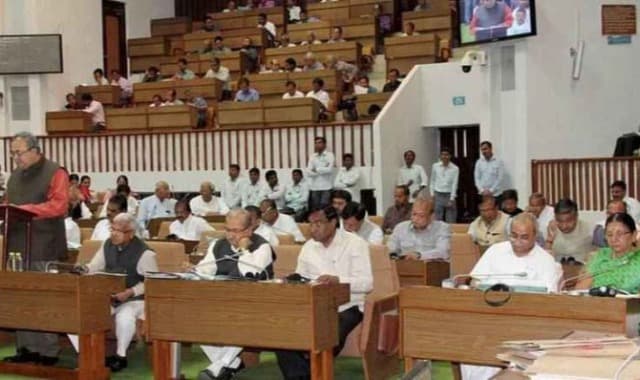
GUJARAT ASSEMBLY: The Gujarat Assembly on September 16, passed the controversial Gujarat Public Universities Bill, ushering in significant changes for public universities. This legislation, which aims to streamline governance and align with the 2020 National Education Policy, consolidates power under the State government while eliminating the senate and syndicate systems.
Higher Education Minister Rushikesh Patel hailed the Bill as a “milestone,” while the opposition Congress voiced concerns about its impact on university autonomy, academic freedom, and internal operations.

What’s the Bill:
The Bill’s passage has repealed 11 Acts governing public universities, placing them under a unified law for smoother governance, improved coordination, and better utilization of higher education resources. Despite objections from Congress legislators, the Bill passed via a voice vote.
The government argued that the Bill aims to achieve sound financial control, enhance higher education quality, and equip universities for the 21st century, ensuring global competitiveness. Under the new law, the Governor will serve as the Chancellor of 10 Universities, and Shubhangini Raje Gaekwad will be the Chancellor of Maharaja Sayajirao Gaekwad University in Vadodara.
The Bill emphasizes the need to rectify identified issues within University Acts. It replaces senates and syndicates with a “board of management,” eliminating student political activity, elections, and limiting Vice-Chancellor tenures to five years. V-Cs may be removed if associated with a political party or organization, as determined by the government.
Education Minister Rishikesh Patel stated that the Bill will meet the 21st-century higher education requirements, while Congress members criticized it for eroding university autonomy and promoting government control and privatization. They argued that it would hinder universities’ ability to introduce diverse courses.
The Bill establishes a board of management as the final decision-making authority and specifies that the State government will control eligibility conditions for its members, maintaining government influence over universities. It also mandates universities to enact government-provided model statutes and seek government approval for any changes.
The Bill ensures that university employees who become legislative assembly or Parliament members are not disqualified, treating their tenure as leave without pay.




_1600x900.jpg&w=256&q=75)



.jpg&w=256&q=75)
.jpg&w=256&q=75)