Atal Tinkering Labs (ATL): A Decade of Democratizing Innovation in Indian School Education
A fresh call for Atal Tinkering Labs (ATL) has secured cabinet approval with the next wave of 50,000+ ATLs in the pipeline for government schools pan-India.
EPN Desk18 March 2026 10:21
Prashant R Nair, Associate Director, Internal Quality Assurance Cell (IQAC), Amrita Vishwa Vidyapeetham, Coimbatore Regional Mentor of Change (RMoC), Atal Innovation Mission (AIM)
India’s Climbing rank in Global Innovation Indices
India has been steadily climbing up the global innovation trajectory demonstrated by its ranking in the Global Innovation Index (GII) released by World Intellectual Property Organization (WIPO). It may be interesting to note that there has been steep climb for India over the last decade from 81st position in GII 2015 to 38th in 2025. This also coincides with the setup of Atal Innovation Mission (AIM) by the Indian government’s policy think-tank, NITI Aayog (formerly Planning Commission). Several governmental & non-governmental agencies at both central and state-level as well as industry & industry associations have also contributed to this innovation boost. Visionary national and state-level programs like Startup India, Smart India Hackathon, and NASSCOM Product conclave have also reinforced efforts towards creating knowledge capital and enriching the national innovation ecosystem.
Atal Innovation Mission (AIM)
Atal Innovation Mission (AIM) was set up a decade ago by the NITI Aayog to promote a culture of entrepreneurship and innovation in India. Its objective is to create a conducive ambience and atmosphere for transformation of ideas into innovative solutions at schools, universities, research agencies, startups and industry including MSME. In other words, move from idea to product and product to startup with the help of seamless public-private partnerships. AIM also provides policy inputs to various government bodies, create awareness and provide knowledge inputs in creating innovation challenges and funding mechanism to government; and also develops new programs and policies for fostering innovation in different sectors of economy. The AIM report card in the last 10 years has been nothing short of spectacular:
10000+ Atal Tinkering Labs (ATL) operationalized in 722 districts across 35 states in India benefiting 1.1. Crore school children all over India. 60% of these ATLs are in government and government-aided schools.
100 Atal Incubation Centers (AIC) fostering over 3500+ Startups of which 1000+ are women-led Startups with 32,000+ jobs created.
14 Atal Community Innovation Centers (ACIC) to spur community centric-innovations addressing rural India, Tier2, Tier3 city’s needs.
24 Atal New India Challenge (With Government Ministries) & 15 Atal Research & Innovation for Small Enterprises {ARISE} (MSME challenge).
40+ international and national partners including innovation collaborations with Australia, Sweden, Russia, Israel, Singapore, Denmark, USA & France.
Mentor India volunteer network with over 6500+ mentors, who are successful professionals from civil society including university professors, entrepreneurs, startup founders and industry professionals, have now been on boarded and associated as Mentors of Change (MoCs) on a pro-bono basis. Around 100 of them have been recognized as regional mentors of change as a honorary position for their contribution by AIM
Atal Tinkering Labs (ATL)
The Indian education system both tertiary and school education has been facing diverse challenges and gaps with respect to access, accreditation, employability, equity, faculty, funding, research, quality, innovation and creativity. It is imperative that the school education in India must be redefined with innovation to be able to plug these gaps.
The flagship program of AIM, the Atal Tinkering Lab (ATL) is the one of the answers; a smart workspace of 1000-1500 square feet with state-of-the-art facilities & cutting-edge technologies meant for school children enrolled in schools from 6th standard to 12th standard.
ATL’s objective is to develop a culture of neoteric innovation in India. It enables democratization of innovation by facilitating access to technologies to the grassroots especially the children in government schools.
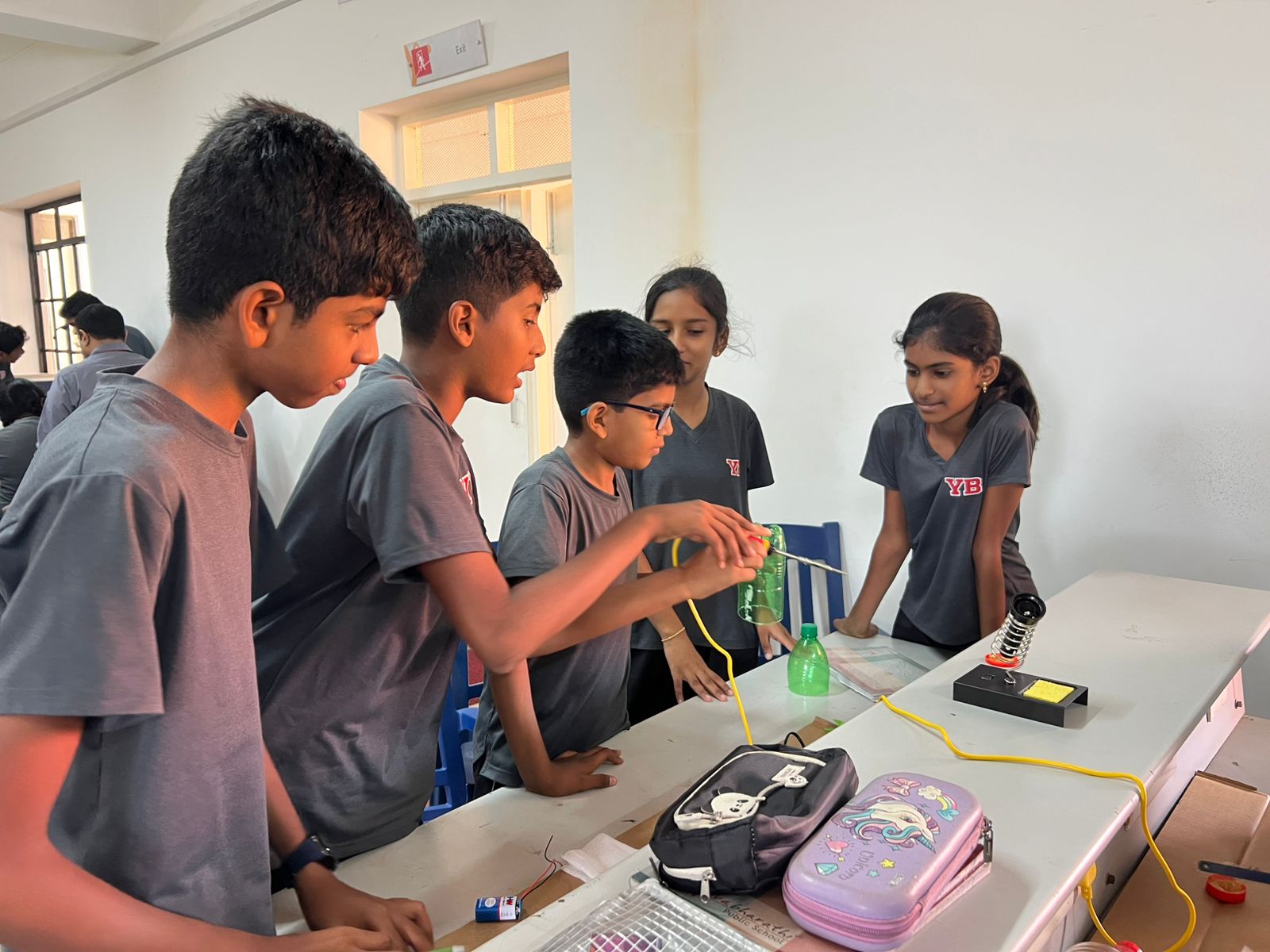
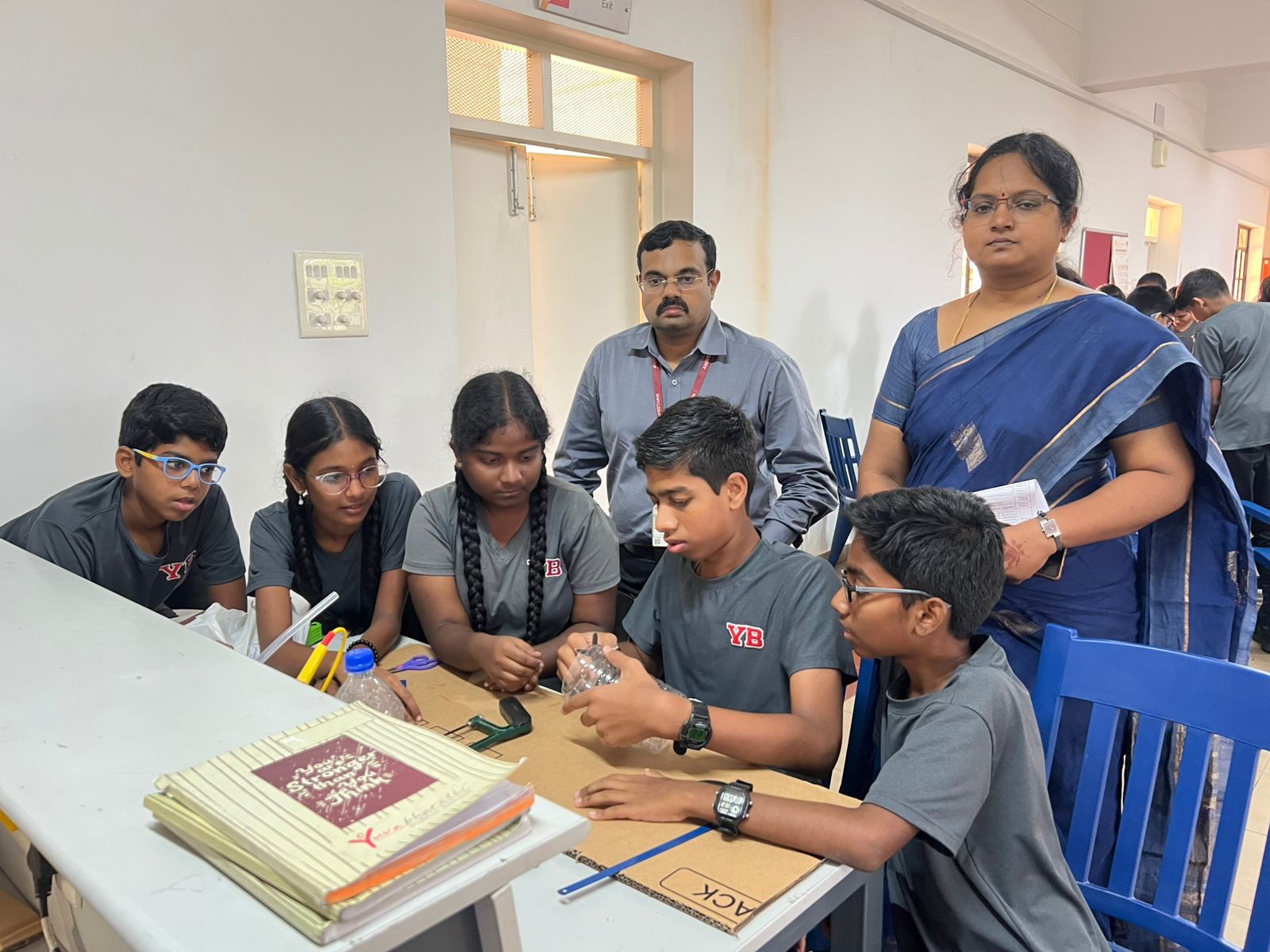
Tinkering lab activities are designed to spur the spark of problem-solving, curiosity, imagination & creativity, and go beyond regular curriculum and text book learning. Tinkering develops the aptitude to explore, experiment and learn. Tinkering refers to an attempt to inculcate the “Let’s Try Something New” attitude among students of all age groups with the help of technology.
ATL is equipped with cutting-edge equipment like robotics kits, sensors, IoT, 3D printer, miniaturized electronics, space technology, drone technology and other tools for tinkering, which are perhaps not seen even in majority of higher educational institutions and universities engaged in STEM education.
ATL promotes innovation independence as all the equipment and infrastructure in the lab is vendor-agnostic and schools have full freedom to procure equipment of their choice from any vendor subject to guidelines.
The ATL has a structured curriculum towards 21st century skills such as ideation, Computational Thinking, Design Thinking, 3D design & printing, Physical Computing (IoT & sensors), Robotics, electronics development tools & IPR. It is a 4 stage tinkering curriculum with adequate flexibility. And usually works with a monthly mentoring theme.
Other activities include competitions, seminars, workshops, tinker marathon, tinkerfest, community day with recognitions and rewards for the top performers like ATL school of the month, ATL wall of fame etc.
More than 16 lakhs+ student projects have been created as part of various regular ATL activities as also innovation challenges like ATL marathon, ATL Tinkerpreneur, School Innovation Marathon, ATL space challenge etc.
ATL Marathon 2023-2024 edition, the national ATL innovation challenge, saw an amazing 19,500 ideation entries from school children pan-India.
School Innovation Marathon 2024-2025, the national innovation challenge for schools by Ministry of Education with theme, ‘Viksit Bharat 2047’, saw 6.7 lakh students from 54,000 schools participated nationwide with over 1 lakh project submissions.
The ATL is no doubt a disruptive innovation which can equip students with tools needed to succeed in higher education and in the workplace like collaboration, team work, innovation, creativity, imagination, tinkering and presentation skills. No doubt, a stable, multi-stakeholder, scalable and foundational framework has been created by AIM through these ATLs. The need of the hour is to scale up this ATL model of AIM to include every school in India.
Startups, entrepreneurs, industry & industry bodies as well as universities and colleges can also render support this program by motivating their employees, faculty and members to enroll as mentors of change (MoC) for ATLs as also adopt the ATLs in their community and neighborhood and support them through collaboration, partnerships, funding, opportunities and mentoring. A cluster-based approach called ATL Sarthi is in development pan-India. As part of this, a nodal organization adopts and mentors the schools with ATLs in a district so as to enable them to adopt best practices and run the ATLs, through co-learning, co-creating and co-adapting with the support of local authorities/organizations, known as ATL clusters. The nodal agency can be the state government education departments, private organizations, high performing school, innovation councils in universities and colleges, NGOs, and civil society organizations.Interestingly, the Ministry of Education of Government of India has now mandated that every Institution’s Innovation Council (IIC) in all colleges and universities in India needs to adopt at least three ATLs each. The best performing as well as maximum number of IICs are in the state- of Tamil Nadu and most of these innovations councils are adopting the ATLs as well as leading the ATL Sarthi cluster in their respective districts. Amrita Vishwa Vidyapeetham Coimbatore’s IIC is the one of the lead nodal organizations for the district of Coimbatore since 2024, providing leadership in the cluster with 67 schools with ATLs in the district.
A fresh call for Atal Tinkering Labs (ATL) has secured cabinet approval with the next wave of 50,000+ ATLs in the pipeline for government schools pan-India. Private schools can secure industry funding to set up the ATL and AIM will provide the guidance and mentoring support.
Truly, sky is the limit for this ATL program. So watch the space, https://aim.gov.in/ for more updates.
(This editorial is authored by Dr. Prashant R. Nair, Associate Director, Internal Quality Assurance Cell (IQAC), Amrita Vishwa Vidyapeetham, Coimbatore Regional Mentor of Change (RMoC), Atal Innovation Mission (AIM) {Honorary Position}. Education Post is not responsible for its content as it expresses opinions.)