Prime Minister Narendra Modi on March 10 held a high-level meeting with Petroleum and Natural Gas Minister Hardeep Singh Puri and External Affairs Minister S. Jaishankar to review India’s liquefied petroleum gas (LPG) supply situation amid the escalating conflict involving Iran, Israel and the United States.
The meeting was convened after disruptions to shipping routes in the Gulf region raised concerns over LPG availability in India. The crisis has been triggered by the closure of the Strait of Hormuz, a key maritime route through which a large portion of global energy supplies pass.

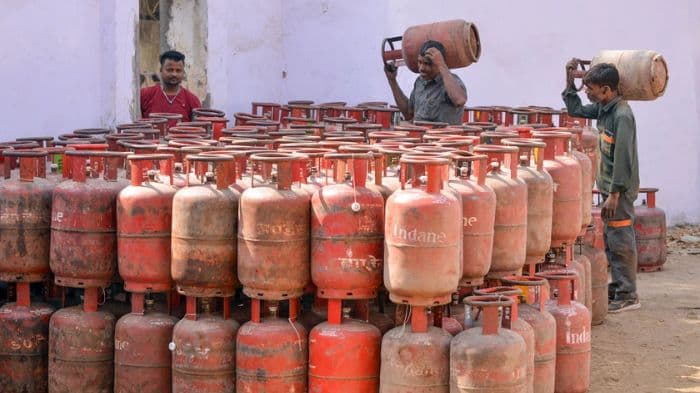
Officials said the government has activated a strategic plan to shield domestic consumers from the impact of the Middle East conflict. India imports about 62 percent of its LPG requirement, and nearly 85–90 percent of those imports pass through the Strait of Hormuz, making the country vulnerable to disruptions in the region.
India’s annual LPG consumption is estimated at around 31.3 million tonnes, with households accounting for roughly 87 percent of total usage, while the remaining share is used by commercial establishments such as hotels, restaurants and industries.
To manage the situation, the government has prioritised LPG supply for household cooking gas. As a result, commercial sectors that rely on market-priced cylinders are facing supply shortages in several cities.
The petroleum ministry has also directed refineries to increase LPG production by adjusting petrochemical output. In addition, the refill booking cycle for domestic LPG consumers has been extended from 21 days to 25 days to prevent hoarding and ensure equitable distribution.
A committee comprising executives from oil marketing companies has been set up to evaluate requests from commercial users and allocate available supplies based on urgency and availability. Essential sectors such as hospitals and educational institutions are expected to receive priority during the disruption.
The meeting comes as the intensifying conflict in West Asia continues to affect global energy markets and shipping routes, prompting governments worldwide to review contingency plans for fuel supply and economic stability.