Air raid sirens will pierce the air across Indian cities on May 7 as the nation plunges into its most extensive civil defense drill in recent years, simulating wartime conditions in the wake of renewed hostilities with Pakistan.
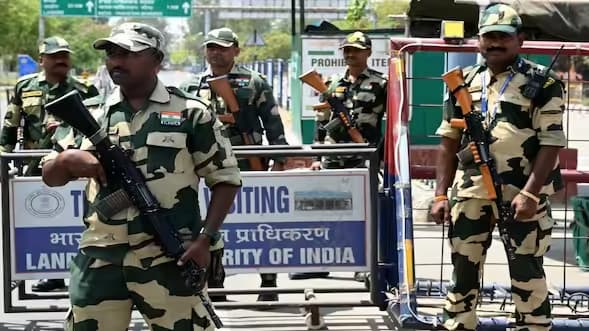
Following a directive from the Ministry of Home Affairs, states have been instructed to carry out full-scale mock war exercises amid escalating tensions triggered by the April 22 terror attack in Jammu and Kashmir’s Pahalgam. The attack, which claimed multiple lives, has reignited diplomatic and military friction between the two nuclear-armed neighbors.

The drills, coordinated nationally, are designed to test and reinforce India’s civil defense infrastructure. From blackout protocols and bunker inspections to public training sessions in schools and communities, the initiative marks a stark return to Cold War-style preparedness.
Among the measures to be enacted:
- Activation of air raid sirens to test public response time.
- Operationalization
- Establishment of communication links with the Indian Air Force, including hotlines and radio networks.
- Blackout simulations to protect critical infrastructure from aerial visibility.
- Camouflaging of vital installations, including power plants and military assets.
- Mock evacuations and bunker cleaning, aimed at preparing civilians for potential attacks.
Civilians, students, and local authorities will undergo training in basic survival and civil defense skills, including fire safety, rescue techniques, and emergency depot management. Control rooms and shadow command centers will also be tested for rapid-response capabilities.
The move comes amid strong rhetoric from Prime Minister Narendra Modi, who has vowed to hunt down those behind the Pahalgam attack “to the ends of the earth.” In response, Islamabad has issued a sharp warning, promising a “swift and notched-up response” to any Indian escalation.
India’s decision to put its civilian defense infrastructure on high alert underscores the seriousness with which the government is viewing current geopolitical threats. The May 7 mock drill, while framed as precautionary, signals a grim acknowledgment of the risks in today’s volatile regional climate.