The Bombay High Court has acquitted all 12 men convicted in the 2006 Mumbai suburban train bombings, stating that the prosecution failed to prove its case beyond reasonable doubt.
The ruling, delivered on July 21 by Justices Revati Mohite Dere and Gauri Godse, overturned the 2015 convictions issued by a special MCOCA court.

Five of the accused had been sentenced to death and seven to life imprisonment. One of the five had died in custody in 2021.
In its detailed 671-page judgment, the High Court pointed to several serious lapses in the investigation and prosecution. It found that the confessional statements recorded by the Anti-Terrorism Squad were nearly identical and lacked independent corroboration.
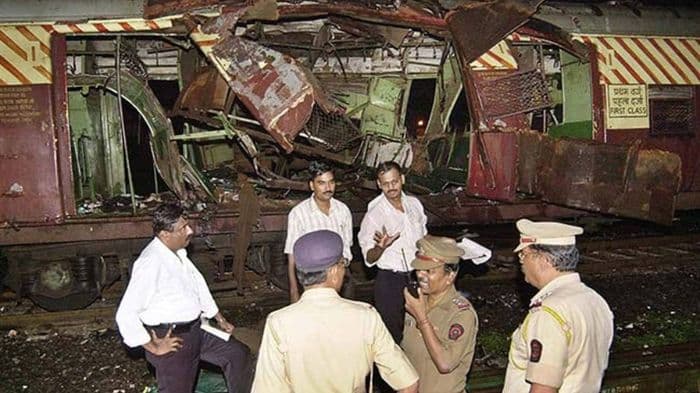
On July 11, 2006, at least seven bombs hidden in pressure cookers exploded on Western Line suburban trains in Mumbai during evening rush hour, killing between 187 and 209 passengers and injuring over 700.
In September 2015, a special Maharashtra Control of Organized Crime Act (MCOCA) court handed five death sentences and seven life sentences to the accused.
The bench also noted that some of the accused bore visible signs of custodial torture. Identification parades were held years after the blasts, and the witnesses produced were either unreliable or failed to establish credible links to the accused.
The court highlighted a lack of clarity about the nature of the explosives used in the attacks. While the prosecution claimed that RDX was used in pressure cooker bombs, forensic evidence presented during the trial was inconclusive.
The judgment stated that there were critical gaps in the chain of evidence, including the absence of solid material linking the accused to the conspiracy or execution of the blasts.
The coordinated bombings occurred on July 11, 2006, targeting first-class compartments of seven trains on Mumbai’s Western Line during evening rush hour.
The attacks killed over 180 people and injured more than 700. The 12 men were arrested and tried under the Indian Penal Code, the Unlawful Activities (Prevention) Act, and the Maharashtra Control of Organised Crime Act.
The Maharashtra government has challenged the acquittal and filed a special leave petition in the Supreme Court. The case is expected to be heard later this month.