The implementation of the National Education Policy 2020 has gained significant momentum across the country, with the government and educational institutions taking concrete steps to transform the education system. The policy aims to make education more holistic, flexible, and aligned with the needs of the 21st-century economy.
Key Highlights:
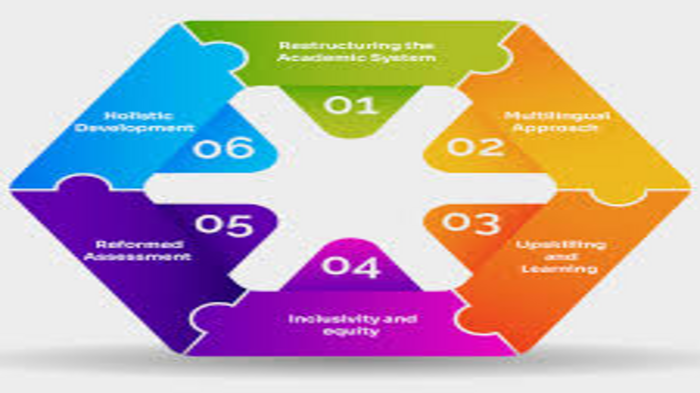
One of the major reforms under the policy is the expansion of multidisciplinary education. Universities and colleges are increasingly adopting flexible curricula that allow students to choose subjects across disciplines, breaking away from the traditional rigid streams of arts, science, and commerce. This approach encourages critical thinking, creativity, and a broader understanding of knowledge.

Digital learning platforms are being actively promoted to enhance accessibility and inclusivity in education. Initiatives such as online courses, virtual classrooms, and e-learning resources have gained traction, especially in the wake of increased digital adoption. Platforms like DIKSHA are playing a crucial role in delivering quality educational content to students and teachers across the country.
The policy also places strong emphasis on skill-based education, aiming to bridge the gap between academic learning and industry requirements. Vocational training, internships, and experiential learning opportunities are being integrated into school and higher education systems to equip students with practical skills and enhance employability.
Additionally, teacher training programs and institutional reforms are being undertaken to ensure effective implementation and improved learning outcomes.
Significance:
The accelerated implementation of NEP 2020 is expected to significantly improve the quality of education in India by making it more student-centric, flexible, and outcome-oriented. It promotes a shift from rote learning to conceptual understanding and application-based knowledge.
By aligning education with emerging industry demands, the policy helps in creating a future-ready workforce equipped with relevant skills. This is crucial for India’s economic growth and competitiveness in a rapidly evolving global landscape.
In the long term, these reforms will contribute to inclusive and equitable education, ensuring that learners from diverse backgrounds have access to quality learning opportunities. As implementation progresses, the policy is set to play a transformative role in shaping India’s education system and human capital development.