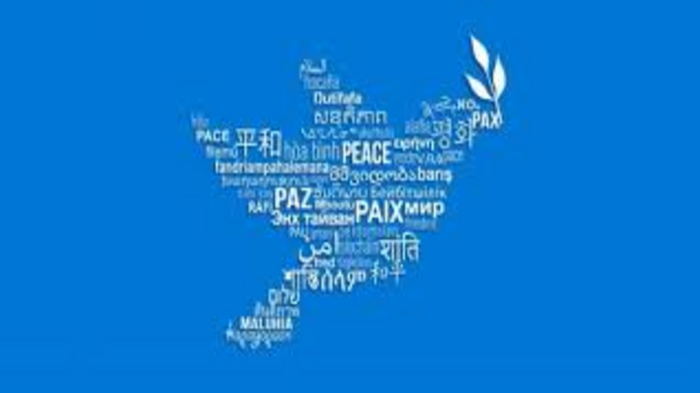
International Mother Language Day is observed globally on 21 February to promote linguistic diversity, multilingual education, and the preservation of endangered languages. The day was proclaimed by the UNESCO in 1999 to recognize the importance of mother tongues in shaping identity, culture, and inclusive societies. The observance highlights the need to protect languages that are at risk of extinction due to globalization, migration, and declining intergenerational transmission.
The 2026 theme focuses on preserving endangered languages and promoting multilingual education systems. Languages are not merely tools of communication; they carry cultural memory, traditional knowledge, literature, and community identity. When a language disappears, valuable cultural heritage and indigenous knowledge systems are also lost. UNESCO estimates that many languages worldwide are endangered, making preservation efforts crucial for cultural sustainability.

India represents one of the most linguistically diverse countries in the world. According to Census data, India has over 19,500 languages and dialects spoken as mother tongues. The Constitution of India recognizes 22 scheduled languages under the Eighth Schedule, reflecting the country’s rich cultural and linguistic heritage. Protecting this diversity is essential for strengthening national unity while respecting regional identities.
The significance of International Mother Language Day lies in safeguarding cultural heritage and promoting social inclusion. Mother tongue education enhances learning outcomes, particularly at the primary level, by improving comprehension and cognitive development. It also fosters respect for diversity and strengthens democratic values.
Overall, International Mother Language Day serves as a reminder of the need to preserve linguistic diversity as a vital component of cultural identity, social cohesion, and sustainable development. Promoting multilingualism ensures that communities retain their heritage while participating actively in a globalized world.