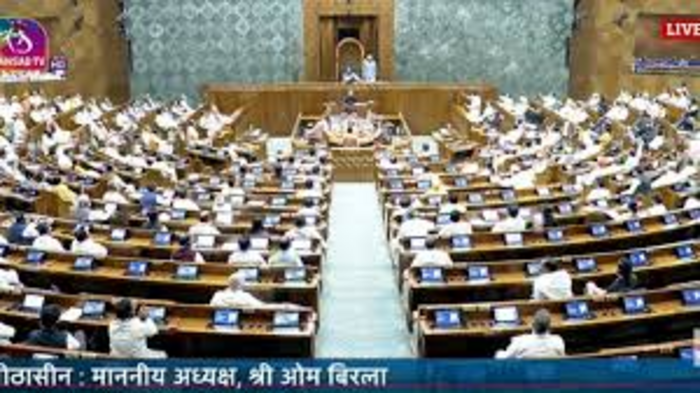
The debate on women’s reservation in legislatures is getting more intense. People are focusing on how it connects to the delimitation process. Most agree that women’s representation needs to increase. There is disagreement on how to do it and when.
The Women’s Reservation Bill is central to this discussion. It aims to get women into Parliament and state assemblies.. Linking it to delimitation has raised concerns among politicians.

One big issue is how it affects seat distribution. Delimitation means redrawing constituency boundaries based on population changes. This could change the number of seats states get. Some states are worried that they will get seats.
The debate also raises questions about balance. India’s federal structure is based on representation of states. Any changes must consider diversity and political fairness. Some argue that linking women’s reservation to delimitation complicates this balance and delays the reservation policy.
Supporters say delimitation is necessary for an allocation of reserved seats. They believe that doing both processes together can lead to a system of representation.
This issue affects gender equality and federalism. Getting women into politics is crucial for inclusive governance and better policies. Maintaining a federal structure is also vital for political stability and national unity.
The ongoing debate shows how complex structural political reforms are. Finding a balance between representation, gender inclusion and constitutional principles will shape India’s democratic future.
The Women’s Reservation Bill seeks to increase women’s participation in Parliament and state assemblies through the delimitation process.The delimitation process involves redrawing constituency boundaries based on population changes.The debate over women’s reservation has intensified with a growing focus on its linkage with the delimitation process.
The significance of this issue lies in its impact on gender equality and federalism.The debate also raises questions about federal balance and equitable representation of states.The Women’s Reservation Bill is central to the discussion on increasing women’s representation.Supporters contend that delimitation is necessary to ensure an structured allocation of reserved seats.
Critics argue that linking women’s reservation with delimitation could complicate balance and delay the implementation of the reservation policy.
The debate highlights the complexities involved in implementing political reforms.
The Women’s Reservation and Delimitation debate heats up with concerns over seat distribution and federal balance.The issue of women’s reservation and delimitation affects India’s framework.The debate raises questions about the impact on regional seat distribution and federal balance.
The federal structure of India is based on representation of states.The implementation of the Women’s Reservation Bill is crucial for governance and better policy outcomes.The debate, over women’s reservation and delimitation will shape the future of India’s framework.