These bodies are important for governance and public administration.
* The Court says that regulatory bodies are not transparent and lack accountability.

The Court pointed out that many regulatory bodies work in areas like finance, environment, telecommunications and education.
The Court wants rules for these bodies to follow.
Without rules these bodies might not work properly.
* The Court stressed that regulatory bodies must work in a way.
They must be fair and objective.
The Court also wants oversight of these bodies.
Even though they work independently they must be accountable.
* The Court suggested reviews, audits and parliamentary oversight.
This will ensure that these bodies are responsible for their actions.
The Court also wants transparency in decision-making.
The public should have access to information.
* The Court wants reasons for regulatory decisions.
Decisions should be made on time.
The Courts concerns also include delays in decision-making.
Lack of coordination among institutions can harm the economy and public welfare.
The Supreme Courts emphasis on accountability is important.
It will make regulatory bodies work better.
* Clear guidelines and oversight will reduce arbitrariness.
This will improve decision-making.
Transparency will build trust in regulatory systems.
When people trust these bodies they are more likely to follow rules.
* functioning regulatory bodies create a stable environment for businesses and investors.
This supports growth.
In the run accountability in regulatory bodies promotes democracy.
It supports the rule of law and good governance.
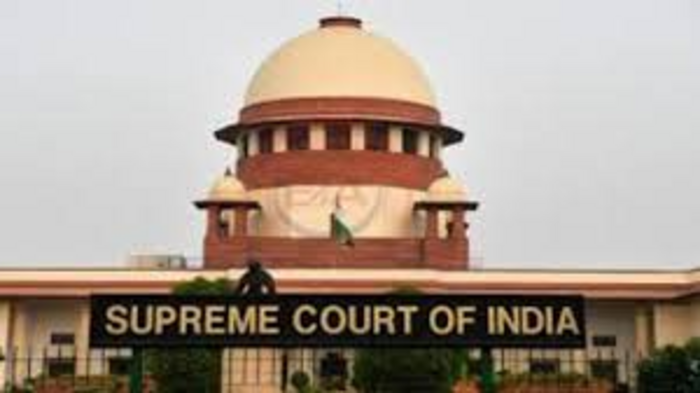
The Supreme Court wants regulatory bodies to be accountable.
This will make governance more transparent and effective.
The Supreme Courts move is important, for bodies.
Regulatory bodies must work in an accountable way.