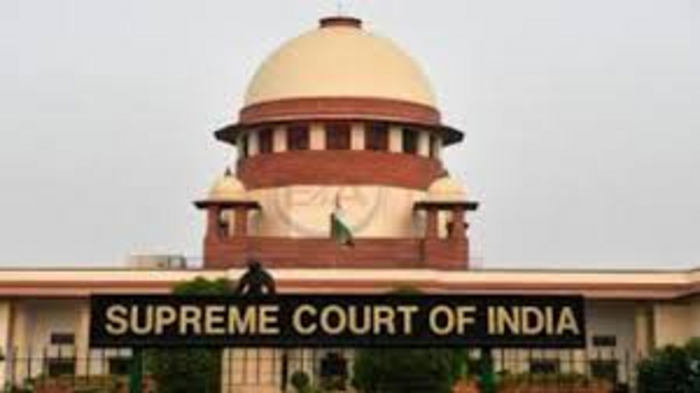
The Supreme Court of India looked at issues related to transparency, accountability and citizens access to information in governance. This is important because open institutions are necessary for democratic processes to work well. The Supreme Court of India wants to make sure that the government is transparent and accountable to the people.
Key Highlights:

The Supreme Court of India talked about how important it's for citizens to have access to public information. Transparency in decision-making helps citizens stay informed about what the government's doing. This is an aspect of democratic governance. The Supreme Court of India believes that transparency in decision-making enables citizens to remain informed about government functioning and promotes democracy.
The Supreme Court of India also said that institutional accountability is necessary for maintaining trust in the government. The Supreme Court of India emphasized the need for mechanisms that ensure checks and balances within governance systems to prevent the misuse of authority and improve efficiency.
The discussions also showed that it is necessary to balance transparency with concerns related to privacy, national security and administrative effectiveness. The Supreme Court of India understands that transparency is important. It is not the only thing that matters.
Significance:
The review by the Supreme Court of India strengthens governance by encouraging openness and accountability in public institutions. The Supreme Court of India wants to make sure that the government is transparent and accountable to the people. This helps to build trust between the government and the citizens.
The review also helps to make sure that governance remains transparent, responsive and answerable to the public. The Supreme Court of India is working to strengthen governance by encouraging openness and accountability in public institutions.
The Supreme Court of India is focusing on transparency and accountability to reinforce the importance of governance in sustaining democratic values and institutional integrity. The Supreme Court of India believes that transparency and accountability are necessary for democratic governance to work well. The Supreme Court of India is working to make sure that the government is transparent and accountable, to the people.