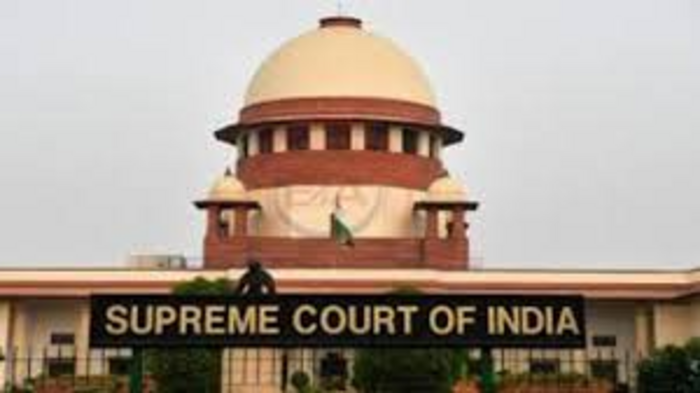
The Supreme Court of India is looking into issues related to transparency in elections. It is focusing on how political parties get their funding and how accountable they're. This is crucial for ensuring that elections in India are free and fair.
Key Highlights:

One major issue is how political parties get their money. There are concerns that it's not clear where the money is coming from especially with anonymous donations. The Court is checking if the current rules provide transparency and if changes are needed to make funding sources public.
The Election Commission of India plays a role in these discussions. Strengthening the rules and enforcement is vital for keeping the process honest.
Another important point is strengthening processes. When elections are transparent voters know more about parties and candidates. This helps prevent influence and ensures a level playing field.
The Court will likely consider balancing the right to information with interests like privacy and political freedom.
Significance:
The review makes elections more accountable by promoting transparency in funding and campaign practices. Greater openness reduces corruption. Ensures fair and credible elections.
It also strengthens institutions by building public trust. Transparent elections maintain governance legitimacy. Uphold the rule of law.
Improved electoral transparency leads to governance by encouraging responsible political behavior and informed citizen participation.
The Supreme Court’s review of transparency measures is a crucial step, toward strengthening India’s democracy. By addressing funding and accountability the Court contributes to a more transparent, fair and robust electoral system.