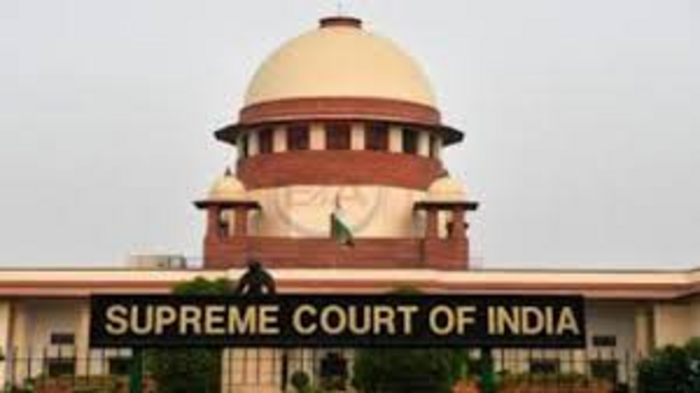
The Supreme Court of India is looking into issues related to digital privacy, data protection and surveillance. This is happening as India’s digital governance and use of technology are growing.
There are concerns about protecting data and finding a balance between what the state can do and individual rights in the digital age.

Key Highlights:
* A big issue is how much data governments and digital platforms collect and surveil. Questions are being asked about how personal data's collected, stored, processed and shared.
* The Court is also checking if existing mechanisms are enough to protect citizens from misuse of their information.
* Another focus is on the need for safeguards for citizens’ data. With digital services and online platforms there are concerns about unauthorized access, data breaches and misuse of personal information.
The Court is discussing the importance of laws, informed consent and independent oversight mechanisms.
The discussions also highlight the link between digital privacy and constitutional rights. This is especially important with technologies like artificial intelligence and digital identity systems.
The Court’s review will likely shape laws and regulations on data protection, cybersecurity and digital governance in India.
Significance:
* These discussions are significant because they protect rights under Article 21 of the Indian Constitution, which includes the right to privacy.
* The case will shape digital governance policies by setting standards for data protection and surveillance oversight.
*A strong data protection framework can build trust in digital platforms and ensure technological advancement does not harm individual freedoms.
The Supreme Court’s look at data protection issues shows how important privacy and accountability are in the era. By addressing concerns about surveillance and citizens’ rights the Court is helping to create a framework, for India’s digital governance system.