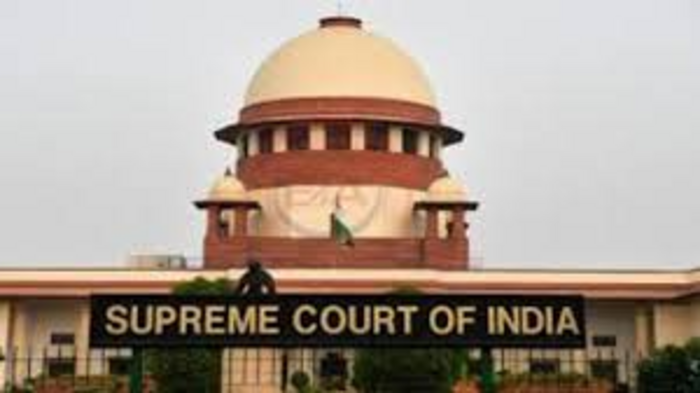
In a significant development for digital governance and constitutional law, the Supreme Court of India has clarified the scope and limitations of free speech in the online domain. The ruling comes amid increasing debates over misinformation, hate speech, and the role of social media platforms in shaping public discourse.
Key Highlights:
The Court adopted a balanced approach, reiterating that the right to freedom of speech and expression under Article 19 is not absolute and is subject to reasonable restrictions. It emphasized that while citizens have the right to express opinions online, such freedoms must not undermine public order, national security, or the sovereignty and integrity of India.

Importantly, the Court underscored the principle of proportionality while imposing restrictions on online speech. Any limitation must be necessary, reasonable, and narrowly tailored to achieve a legitimate objective. Blanket bans or excessive censorship, the Court observed, could violate constitutional guarantees.
The judgment also highlighted the growing responsibility of social media platforms in regulating content. It reinforced that digital intermediaries must ensure accountability by adhering to due diligence norms, promptly addressing unlawful content, and cooperating with authorities when required. This marks a step toward clearer regulation of online platforms without compromising user rights.
Additionally, the Court acknowledged the evolving nature of digital communication and stressed the need for laws to adapt to technological advancements while safeguarding democratic values.
Significance:
This ruling is crucial in shaping the future of digital governance in India. By clearly delineating the boundaries of free speech online, the Court provides guidance to lawmakers, regulators, and technology companies.
For citizens, it reaffirms the importance of responsible expression in the digital space, ensuring that freedoms are exercised without infringing on the rights of others or disrupting public order. At the same time, it protects individuals from arbitrary or excessive restrictions.
The judgment is also likely to influence future legislation and policy frameworks governing social media and online content. It strikes a delicate balance between safeguarding civil liberties and addressing emerging challenges such as fake news, online harassment, and hate speech.
Overall, the decision strengthens constitutional jurisprudence in the digital era and reinforces India’s commitment to democratic principles in an increasingly connected world.