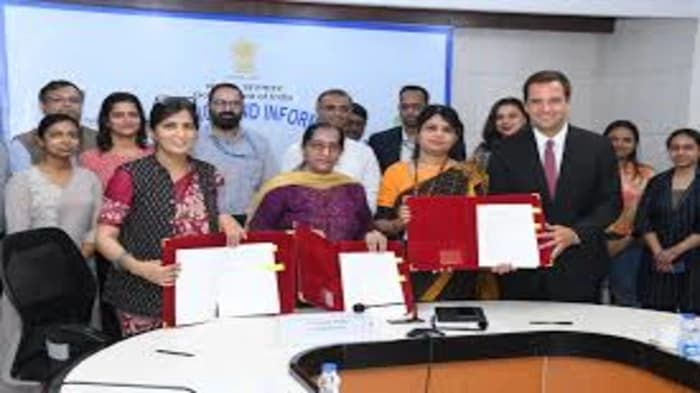
India’s decision to join the Global Health Resilience Initiative (GHRI) marks a major step toward strengthening global and national preparedness against future pandemics. GHRI is a multilateral platform focused on building resilient health systems through enhanced disease surveillance, rapid data sharing, health-system capacity building, and coordinated research on emerging pathogens. For India, which managed one of the world’s largest COVID-19 responses, joining GHRI aligns with its long-term goal of creating a robust and technology-driven public health architecture.
A key priority under GHRI is genomic surveillance, an area where India has already made significant progress through the INSACOG network. Membership in GHRI enables India to expand real-time sequencing capacity, integrate zoonotic surveillance, and access global databases for early detection of variants. This strengthens India’s ability to track outbreaks of influenza, Nipah, Zika, dengue mutations, antimicrobial resistance, and other high-risk pathogens. Cross-border genomic data exchange also helps in developing targeted vaccines and diagnostics more quickly.

GHRI also emphasises upgrading public-health infrastructure. India aims to strengthen primary healthcare centres, district surveillance units, public health emergency operations centres, and laboratory networks. The initiative supports investments in digital health platforms, integrated disease surveillance programmes, telemedicine, and AI-enabled outbreak forecasting models. Improved supply-chain management for PPE, oxygen, vaccines, and essential medicines is part of the new resilience blueprint.
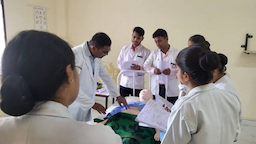
Another major benefit is improved workforce capacity. GHRI supports training of epidemiologists, field investigation teams, genomic scientists, and rapid-response units. India’s medical colleges and public health institutions will gain access to global expertise, simulation exercises, and collaborative research grants.
However, challenges remain—data governance frameworks, interoperability of digital health systems, rural health gaps, and ensuring sustained funding beyond crisis periods.