Recent geopolitical tensions in several parts of the world have drawn renewed attention to the importance of strategic maritime routes that facilitate global trade and energy transportation. Among these routes, the Strait of Hormuz has emerged as one of the most critical passages for international shipping and energy security.
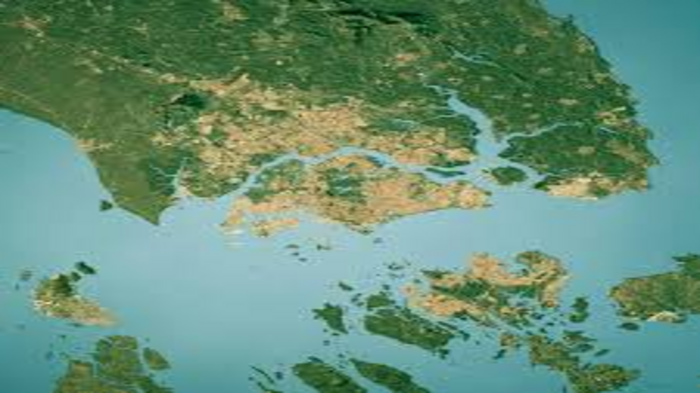
The Strait of Hormuz serves as a vital link between the Persian Gulf and the Gulf of Oman, allowing oil-exporting countries in the Gulf region to transport crude oil to global markets. Nearly one-fifth of the world’s total oil trade passes through this narrow waterway, making it one of the most important maritime chokepoints in the global energy network.

Any disruption in the Strait of Hormuz can have far-reaching consequences for the international economy. Political tensions, military conflicts, or maritime security threats in the region could interrupt shipping activities, leading to supply shortages and sharp increases in global oil prices. Such disruptions may affect not only energy-importing countries but also global trade and economic stability.
For India, the security of strategic maritime routes is particularly significant because the country relies heavily on imported energy resources. A substantial portion of India’s crude oil imports originates from countries in the Gulf region and is transported through the Strait of Hormuz before reaching Indian ports.
Ensuring safe navigation through these maritime routes is therefore a major priority for India’s foreign policy and maritime strategy. India has increasingly focused on strengthening diplomatic relations with countries in West Asia while also enhancing its naval capabilities to contribute to maritime security in the broader Indian Ocean Region.
Experts note that safeguarding critical sea lanes of communication is essential for maintaining global economic stability. In addition to energy shipments, these routes support the transportation of a wide range of goods, including food, raw materials, and manufactured products.
As global trade continues to expand, the strategic significance of maritime chokepoints is expected to grow further. Countries around the world are therefore placing greater emphasis on maritime cooperation, security partnerships, and international regulations to ensure the uninterrupted flow of trade and energy supplies across the world’s oceans.