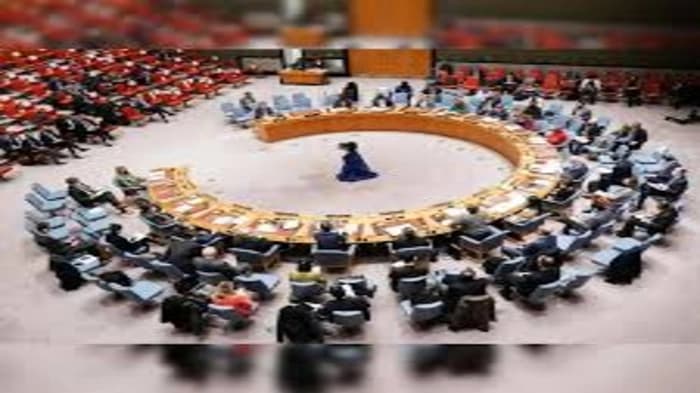
On 27 September 2025, India delivered its General Debate address at the United Nations General Assembly (UNGA), with a dual focus: development diplomacy and sovereignty assertion. Following a diplomatic blitz beforehand, India’s strategy aimed to project itself as a responsible global power while defending its core interests.
Themselves in the Address

Emphasis on sustainable development, climate action, and technology cooperation (e.g. South-South cooperation, global public goods).
Stress on rule of law, multilateralism, and equity in global governance.
Assertive tone on non-interference, national sovereignty and rejection of external meddling (notably on issues like Kashmir).
Appeal to Global South: bridging finance gaps, sharing vaccine access, digital commons.
Diplomatic Context
India faces competing pressures: criticisms on human rights, cross-border concerns, climate burden sharing.
Rival narratives (e.g. from neighboring countries or aligned blocs) may seek to frame issues differently.
India must balance maintaining credibility with reformist agenda and defending its domestic policies.
Strengths & Weaknesses of Approach
Strengths: India’s track record in developmental schemes (e.g. sanitation, renewable energy, digital inclusion) adds moral leverage.
Weaknesses: criticism remains on human rights, dissent movements, and implementation gaps.
India’s ability to steer consensus in UN bodies (e.g. G77 + China, NAM) depends on diplomatic finesse.
Expected Outcomes
Potential for co-sponsored resolutions or debates favorable to India’s positions (e.g. development financing, climate equity).
Enhanced visibility in global media and diplomatic forums.
Strengthening bilateral/multilateral engagements (e.g. side meetings, MOUs).
Conclusion
India’s nuanced diplomacy reflects its growing stature as a global stakeholder. A careful blend of soft power and firm sovereignty messaging can help shape a multipolar, equitable international order.