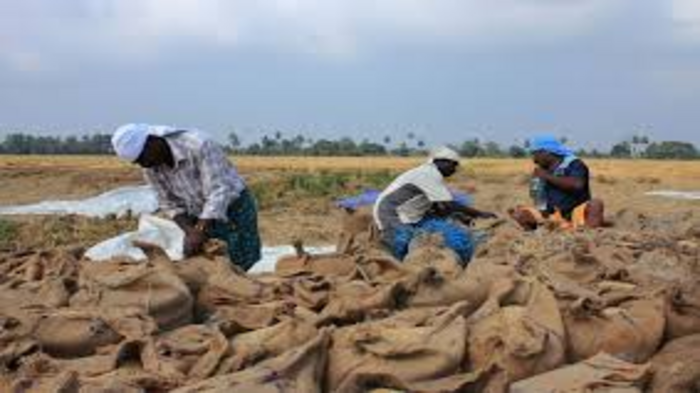
The Government of India has undertaken a comprehensive review of food grain stocks and distribution mechanisms to further strengthen food security across the country. With a focus on ensuring uninterrupted access to essential food supplies, the government is enhancing existing systems to better serve vulnerable populations.
Key Highlights:
A key initiative is the strengthening of the Public Distribution System (PDS), which plays a crucial role in providing subsidized food grains to millions of beneficiaries. Efforts are being made to improve efficiency, reduce leakages, and ensure timely delivery of food supplies across states.

The government is also focusing on effective buffer stock management to maintain adequate reserves of essential commodities such as rice and wheat. Proper stock management helps stabilize prices, address supply disruptions, and respond to emergencies such as natural disasters or economic shocks.
Technology is being increasingly integrated into food security systems to enhance transparency and accountability. Digitization of ration cards, use of biometric authentication, and real-time tracking of food grain distribution are helping minimize fraud and ensure that benefits reach the intended beneficiaries.
Additionally, coordination between central and state governments is being strengthened to improve implementation and monitoring of food security initiatives.
Significance:
These measures are vital for ensuring food availability and accessibility, particularly for economically weaker sections of society. A robust food security system helps protect vulnerable populations from hunger and malnutrition.
Strengthening the PDS and buffer stock mechanisms also contributes to price stability, preventing sharp fluctuations in food prices that can impact household budgets and overall inflation.
In the broader context, enhanced food security supports social welfare and inclusive development. It ensures that economic growth translates into improved living standards for all sections of society.
As India continues to address challenges related to population growth and climate change, a resilient and efficient food security framework will remain essential for sustainable development and national well-being.