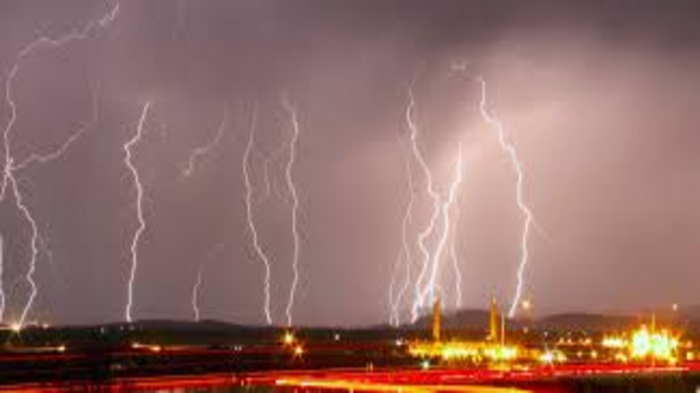
The India Meteorological Department (IMD) has issued a yellow weather alert for parts of eastern India, particularly West Bengal, warning of possible thunderstorms, heavy rainfall, and strong winds over the coming days. The advisory has been issued as changing weather conditions and atmospheric disturbances are expected to trigger unstable weather patterns across the region.
According to the IMD’s latest forecast, several districts of West Bengal may experience moderate to heavy rainfall accompanied by lightning and gusty winds. Wind speeds could reach significant levels during thunderstorms, potentially affecting transportation, agriculture, and daily activities in affected areas. The weather department has advised residents to remain cautious and avoid unnecessary travel during severe weather conditions.

Authorities have also warned fishermen and people living in vulnerable areas to remain alert. Thunderstorms in eastern India are often accompanied by lightning strikes, which can pose risks to life and property. Local administrations have been asked to remain prepared for possible disruptions such as temporary power outages, tree falls, and waterlogging in low-lying areas.
A yellow alert issued by the IMD indicates that residents should stay updated and remain aware of possible weather-related hazards. Although it does not signal an extreme emergency, it suggests that conditions could worsen and precautionary measures are advisable. Early warning systems such as these play an important role in helping communities prepare for sudden weather events.
Weather experts note that eastern India frequently experiences thunderstorms during seasonal transitions when warm and moist air interacts with cooler atmospheric systems. These interactions can lead to intense rainfall and strong winds over short periods. Such weather events are particularly common during the pre-monsoon months when atmospheric instability increases.
For India, improving disaster preparedness has become an important priority in recent years. The government and meteorological agencies have strengthened forecasting technology, satellite monitoring, and communication systems to provide timely alerts to the public. These systems help reduce the impact of natural hazards by giving authorities and citizens time to take precautionary measures.
Experts emphasize that accurate weather forecasting and early warning systems are critical components of disaster risk reduction. By alerting communities in advance, authorities can minimize loss of life, protect infrastructure, and ensure better preparedness during extreme weather conditions.
Residents in affected areas have been advised to follow official updates from the IMD and local authorities until weather conditions stabilize.