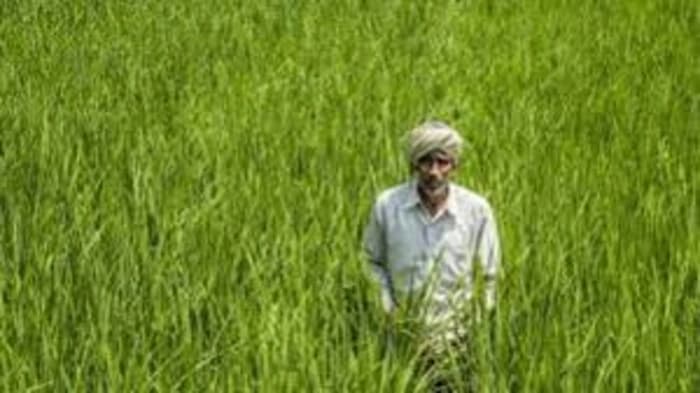
Early assessments of the rabi season 2025–26 suggested broadly stable sowing across major crops such as wheat, mustard, pulses, and oilseeds, providing cautious optimism for agricultural output. Adequate soil moisture in several regions and timely sowing supported initial crop conditions. However, weather variability and rising input costs continued to pose challenges for farmers, highlighting persistent structural vulnerabilities in the agricultural sector.
Weather risks remain a key concern during the rabi season. While cool temperatures generally benefit wheat cultivation, unseasonal rainfall, prolonged cold waves, and frost can adversely affect crop yields during critical growth stages. Climate change has increased the unpredictability of such events, making farmers more vulnerable to production shocks. Limited access to weather-resilient technologies and advisory services further exacerbates these risks, particularly for small and marginal farmers.

Input costs have emerged as another significant pressure on farm incomes. Rising prices of fertilisers, seeds, diesel, electricity, and labour increase the cost of cultivation, squeezing profit margins even when output levels are stable. Volatility in global commodity markets and supply-chain disruptions also affect the availability and affordability of key inputs, influencing farmers’ decision-making.
Minimum Support Price (MSP) policy and procurement mechanisms play a crucial role in stabilising farm incomes and shaping rural demand. Timely MSP announcements and effective procurement of rabi crops such as wheat provide price assurance and reduce market uncertainties. Strong procurement supports food security objectives while ensuring liquidity in rural areas, which in turn boosts consumption demand and contributes to overall economic growth.
The way forward lies in strengthening resilience and income security. Expanding crop insurance coverage, promoting climate-resilient seed varieties, improving irrigation efficiency, rationalising input subsidies, and enhancing market access are essential. Diversification towards high-value crops and improved post-harvest infrastructure can further support farmer incomes.
In conclusion, while the rabi outlook for 2025–26 appears stable, addressing weather risks, input cost pressures, and policy implementation gaps remains critical for sustaining agricultural livelihoods and rural-led growth.