The Government of India is increasingly promoting the integration of technology in agriculture to enhance productivity, efficiency, and farmer incomes. As part of broader agricultural reforms, emphasis is being placed on leveraging digital tools and innovation to modernize the sector and address long-standing challenges.
Key Highlights:
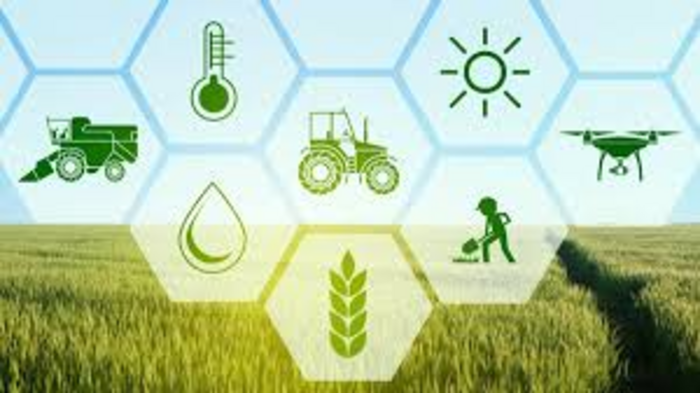
A major thrust area is the adoption of precision farming tools, which enable farmers to use data-driven techniques for better crop management. Technologies such as remote sensing, GPS mapping, soil health monitoring, and automated irrigation systems are helping optimize resource use and improve yields.

The government is also expanding digital platforms for farmers to provide real-time access to information, markets, and services. Platforms like e-NAM are facilitating transparent price discovery and enabling farmers to sell their produce across markets, reducing dependence on intermediaries.
Support for agri-startups has been significantly enhanced through funding, incubation, and policy support. Initiatives such as Agriculture Infrastructure Fund are encouraging innovation in areas like supply chain management, farm mechanization, and value addition. Startups are playing a key role in developing solutions tailored to the needs of small and marginal farmers.
Additionally, efforts are being made to improve digital literacy among farmers, ensuring they can effectively utilize these technologies and platforms.
Significance:
The integration of agri-tech is crucial for enhancing agricultural productivity and increasing farmer incomes. By optimizing the use of inputs such as water, fertilizers, and seeds, technology helps reduce costs and improve efficiency.
These reforms also contribute to the modernization of the agriculture sector, making it more resilient to climate change and market fluctuations. Access to digital platforms empowers farmers with better information and market linkages, leading to more informed decision-making.
In the broader context, a technologically advanced agricultural sector supports food security, rural development, and economic growth. As India continues to adopt innovative solutions, agri-tech integration will play a vital role in ensuring sustainable and inclusive agricultural transformation.