Recent policy discussions have underscored the need for comprehensive urban transport reforms centred on public and green mobility, as Indian cities grapple with rising congestion, air pollution, and carbon emissions. With rapid urbanisation and increasing motorisation, sustainable transport has emerged as a critical pillar of inclusive urban development.
Context and Policy Focus:
Urban transport is among the largest contributors to urban air pollution and greenhouse gas emissions. In response, governments at the central and state levels are prioritising the expansion of metro rail networks, deployment of electric buses, and promotion of non-motorised transport (NMT) such as walking and cycling. These initiatives align with India’s climate commitments and the objective of creating liveable, people-centric cities.

Public Transport Expansion:
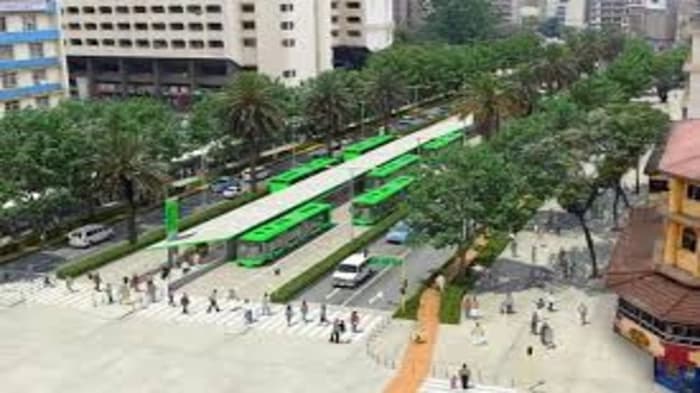
Metro rail systems provide high-capacity, energy-efficient mobility solutions in densely populated urban regions. Their expansion reduces dependence on private vehicles, eases traffic congestion, and improves travel reliability. Complementing metros, electric buses under schemes such as the National Electric Bus Programme are being introduced to modernise urban bus fleets and reduce tailpipe emissions.
Promotion of Green and Inclusive Mobility:
Non-motorised transport infrastructure, including dedicated cycle lanes, pedestrian pathways, and last-mile connectivity solutions, is increasingly being integrated into urban planning. Such measures enhance accessibility for low-income groups, women, children, and the elderly, promoting social inclusion while reducing environmental impact.
Economic and Environmental Benefits:
Sustainable urban transport lowers fuel consumption, healthcare costs linked to pollution, and time lost in congestion. It also stimulates green industries and employment in areas such as electric mobility and urban infrastructure development.
Challenges and Way Forward:
Key challenges include financing constraints, fragmented institutional responsibilities, and the need for behavioural change among commuters. Integrated urban transport planning, stable funding mechanisms, and public awareness campaigns are essential for success.
Conclusion:
Urban transport reforms focused on public and green mobility offer a pathway to cleaner, more efficient, and inclusive cities. Sustained policy support and coordinated implementation will be crucial to achieving long-term urban sustainability.