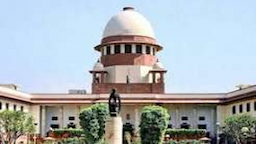
The Supreme Court of India has directed central and state authorities to ensure effective implementation of the Solid Waste Management Rules, 2026, which will come into force from April 1, 2026. The Court emphasized that improper waste management poses serious threats to public health, environmental sustainability, and urban living conditions. The directive highlights the urgent need for authorities to adopt efficient waste collection, processing, and disposal systems across cities and towns.
The Solid Waste Management Rules, 2026 aim to strengthen waste segregation, scientific processing, recycling, and safe disposal of municipal solid waste. A key focus of the rules is segregation of waste at the source into biodegradable, recyclable, and hazardous categories. This helps improve recycling efficiency and reduces the burden on landfills. The rules also promote modern waste processing technologies such as composting, biomethanation, and waste-to-energy conversion to minimize environmental damage.

Urban Local Bodies are responsible for implementing these rules and ensuring proper waste management infrastructure. The Court stressed that failure to comply with these regulations can result in environmental degradation, air and water pollution, and health hazards for citizens. Effective waste management is essential for preventing the spread of diseases and maintaining clean urban environments.
The implementation of these rules is significant for improving urban sanitation and promoting sustainable development. Proper waste management reduces pollution, conserves natural resources, and supports environmental protection. It also contributes to national initiatives such as the Swachh Bharat Mission, which aims to improve cleanliness and sanitation across the country.
Overall, the Supreme Court’s directive reinforces the importance of responsible waste management and accountability of authorities. Effective implementation of the Solid Waste Management Rules, 2026 will help create cleaner cities, protect the environment, and ensure better public health and sustainable urban development for the future.