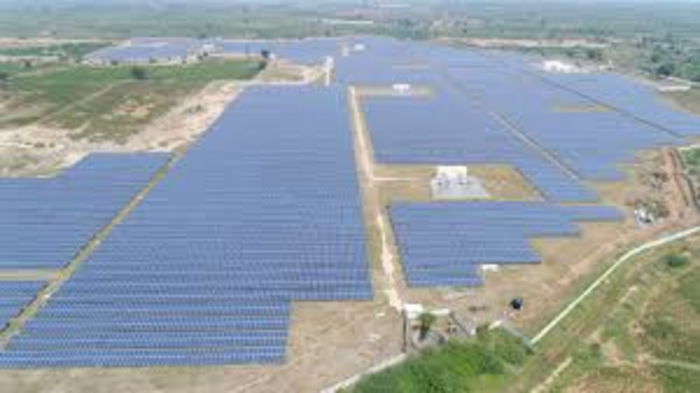
India is seeing a steady increase in its renewable energy capacity and this is because of the constant support and investment in clean energy sources. India is doing this to meet its commitments under the Paris Agreement and to move towards a low-carbon economy in the run.
Key Highlights:

One big reason for this growth is the expansion of the solar and wind energy sectors. India has installed a lot of power through big solar parks rooftop solar programs and competitive bidding. Wind energy is also growing, in states like Tamil Nadu and Gujarat that are good for wind energy.
The government wants to increase the share of -fossil fuel-based energy and it has set big targets. India wants to get a lot of its electricity from sources and it is supporting this with policies, money and changes to rules. Projects that combine solar and wind energy and better energy storage technologies are making renewable energy systems more efficient and reliable.
In addition India is investing in transmission infrastructure like energy corridors to connect renewable power to the national grid. This is necessary to distribute energy from places that have a lot of renewable energy to the rest of the country.
Significance:
The growth of energy capacity is very important for reducing carbon emissions and fighting climate change. By moving from fossil fuels India is reducing its greenhouse gas footprint and helping global efforts to stop environmental damage.
This progress also supports India’s commitments under climate agreements and it shows that India is a responsible global actor. Meeting energy targets is crucial for meeting nationally determined contributions and advancing sustainable development goals.
From a point of view the renewable energy sector is creating jobs attracting investments and promoting technological innovation. It also reduces Indias dependence on imported fossil fuels, which improves energy security and stabilizes the countrys trade balance.
India’s growth of renewable energy capacity shows its commitment to a sustainable and resilient energy future. To keep this going India needs to keep supporting policies advancing technology and developing infrastructure which will be key, to meeting term climate and energy goals.