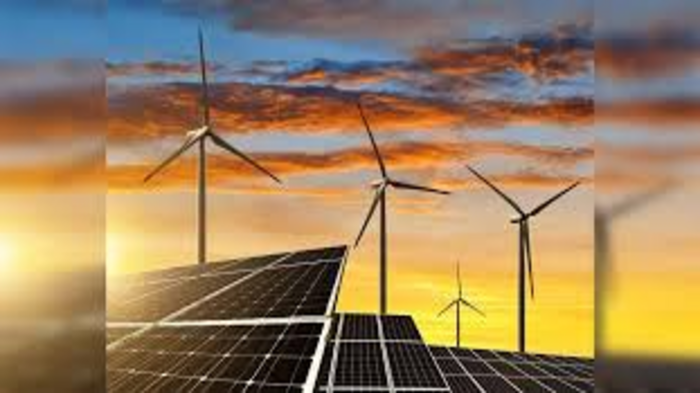
India has continued to expand its renewable energy capacity as part of its commitment to climate action and sustainable development. The country is accelerating the deployment of clean energy sources such as solar and wind power to reduce dependence on fossil fuels and meet its international climate obligations.
In recent developments, there has been a significant increase in solar and wind energy installations across various states. Large-scale solar parks, rooftop solar systems, and wind energy projects are contributing to the growing share of renewables in India’s energy mix. These initiatives are supported by government policies, incentives, and private sector participation, which have helped attract investment in the renewable energy sector.

In addition to conventional renewable sources, India is also focusing on emerging technologies such as green hydrogen and battery storage systems. Green hydrogen, produced using renewable energy, is being explored as a clean fuel alternative for industries such as steel, transport, and power generation. Battery storage technologies are essential for addressing the intermittent nature of renewable energy and ensuring a stable and reliable power supply.
The expansion of renewable energy capacity is closely aligned with India’s commitments under the Paris Climate Agreement. India has set ambitious targets to increase the share of non-fossil fuel energy sources and achieve net-zero carbon emissions in the coming decades.
One of the key benefits of renewable energy expansion is the reduction in dependence on imported fossil fuels such as coal, oil, and natural gas. This enhances energy security and reduces vulnerability to global price fluctuations. Additionally, clean energy contributes to lowering greenhouse gas emissions, thereby helping mitigate climate change and improve air quality.
Experts note that the transition to renewable energy also creates new economic opportunities, including job creation in manufacturing, installation, and maintenance of renewable energy systems. It also promotes technological innovation and strengthens India’s position as a global leader in clean energy.
Overall, the continued expansion of renewable energy capacity reflects India’s commitment to sustainable development. By investing in clean energy technologies and strengthening its energy infrastructure, India is moving towards a more resilient, environmentally friendly, and self-reliant energy future.