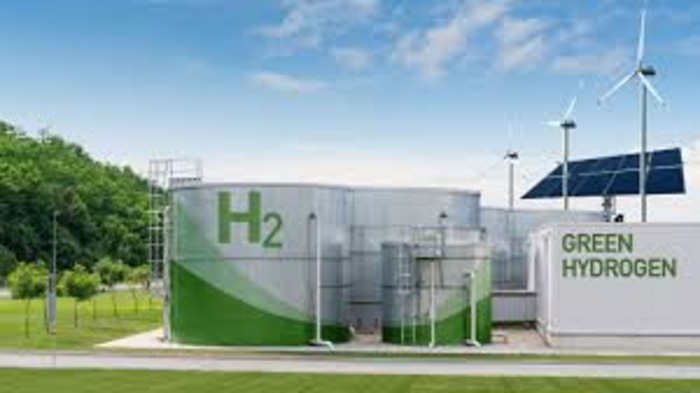
India has achieved a significant milestone in commercial-scale production of green hydrogen under the National Green Hydrogen Mission, marking a major step forward in the country’s clean energy transition. Green hydrogen, produced using renewable energy sources such as solar and wind through electrolysis, is seen as a critical fuel for decarbonising hard-to-abate sectors of the economy.
The milestone reflects progress across the entire green hydrogen value chain. Large-scale renewable energy projects have been integrated with electrolyser-based hydrogen production facilities, supported by domestic manufacturing of electrolysers. This aligns with the government’s objective of reducing production costs, enhancing self-reliance, and positioning India as a global hub for green hydrogen and its derivatives.

Green hydrogen holds particular relevance for sectors such as steel, fertilisers, refining, and heavy transport, which currently rely heavily on fossil fuels. Substituting grey hydrogen and other carbon-intensive fuels with green hydrogen can significantly reduce industrial emissions and help India move towards its long-term climate goals. The development also opens opportunities for producing green ammonia and methanol for both domestic use and export.
The National Green Hydrogen Mission provides policy support through financial incentives, pilot projects, and demand aggregation. It also encourages public–private partnerships, research and development, and skill creation to build a robust ecosystem. Additionally, the mission is expected to generate employment and stimulate investment in renewable energy, manufacturing, and infrastructure.
From a strategic perspective, green hydrogen enhances India’s energy security by reducing dependence on imported fossil fuels. It also strengthens India’s leadership in emerging clean energy technologies and contributes to global efforts to combat climate change.
Significance
The achievement supports industrial decarbonisation and accelerates India’s clean energy transition. By advancing green hydrogen production, India reinforces its commitment to sustainable development, Net Zero targets, and its role as a leader in the global clean energy landscape.