A Milestone in India’s Clean-Energy Transition
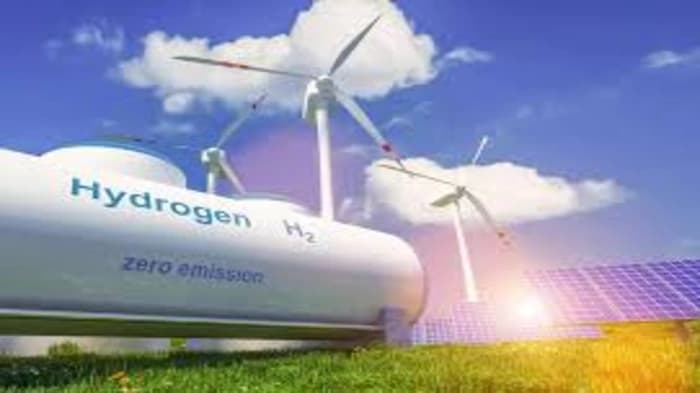
India’s National Green Hydrogen Mission (NGHM) has entered a crucial implementation stage with the award of the first industrial-cluster contracts across Gujarat, Odisha, and Tamil Nadu. These clusters are envisioned as India’s earliest large-scale hubs for clean hydrogen production, end-use, infrastructure, and exports. The mission aligns with India’s goals under the Paris Agreement and its commitment to achieving net-zero emissions by 2070.
Industrial Clusters and PLI Support
1. Location of the First Hydrogen Hubs
- Gujarat: Focus on petrochemical and refinery decarbonisation.
- Odisha: Integration with steel and mining industries.
- Tamil Nadu: Leveraging port infrastructure for manufacturing and export.
These clusters will be the primary sites for electrolyser deployment, hydrogen pipelines, storage systems, and refuelling stations.

2. Production-Linked Incentives (PLI) for Scaling
The government has rolled out PLIs for:
- Electrolyser manufacturing: To reduce dependence on imports and bring down costs.
- Green hydrogen production: Ensuring early viability by subsidising per-kg cost of hydrogen.
This is expected to make India a competitive hub in the global hydrogen value chain.
Sectoral Applications: Decarbonising India’s Hard-to-Abate Industries
1. Steelmaking
Green hydrogen can replace coke and natural gas in Direct Reduced Iron (DRI) processes, significantly reducing emissions from a sector that accounts for ~12% of India’s industrial CO₂.
2. Ammonia & Fertiliser Manufacturing
Switching from “grey ammonia” to green ammonia can decarbonise fertiliser production and reduce import dependency.
3. Refineries & Petrochemicals
Refineries are major hydrogen consumers; transitioning to green hydrogen will drastically cut their carbon footprint.
4. Long-Haul Transport
Hydrogen fuel cells are being promoted for:
- Heavy trucks
- Intercity buses
- Commercial fleets
This supports India’s clean mobility goals.
Key Challenges Ahead
1. High Cost of Production
Green hydrogen is still costlier than grey/blue hydrogen due to expensive electrolysers and the high cost of renewable power.
2. Storage & Safety Concerns
Hydrogen’s flammability and low density require specialised containers and safety protocols.
3. Renewable Energy Demand
Large-scale hydrogen production hinges on consistent, low-cost renewable electricity—requiring massive solar and wind expansion.
4. Infrastructure & Market Development
Pipelines, hydrogen corridors, and a guaranteed offtake market must be developed simultaneously.
Global Positioning: India as a Future Exporter
India aims to become a leading supplier to Europe, Japan, and South Korea, which have rising hydrogen demand and limited renewable resources.
Key enablers:
- Strategic ports (Kandla, Chennai)
- Competitive solar energy costs
- Bilateral partnerships with EU and East Asia