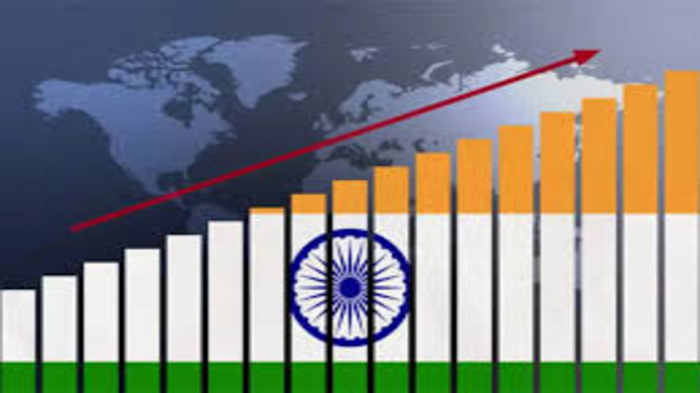
India is saying that growth must be inclusive and sustainable at big global economic meetings. This means making sure everyone benefits from globalization and that we fix inequalities. This is in line with goals like the Sustainable Development Goals.
Key Highlights:

A key point India makes is that developing countries must have opportunities. India keeps saying that these countries need money, technology and help to build their capacity. Filling the gaps in development is crucial for growth and reducing economic differences between countries.
Another important point is making supply chains strong. The problems caused by crises like pandemics and tensions between countries have shown that current supply networks are weak. India wants supply chains to be more diverse, transparent and reliable to keep trade and production stable.
India also talks about green changes. Using tech can make things more efficient improve governance and help more people access finance. Green changes are vital for fighting climate change and keeping the environment healthy. India points to its work in renewable energy and digital infrastructure as examples of inclusive growth.
Additionally India stresses that countries must work together to solve problems like climate change, economic inequality and technological disruption.
Significance:
India’s focus on growth makes it a strong voice for developing countries in global economic talks. By pushing for development India is a champion for the Global South.
These efforts help promote economic growth worldwide. When all countries benefit from growth it leads to stability, less inequality and better outcomes.
Also focusing on supply chains and sustainable changes makes the global economy more resilient. It helps economies prepare for shocks and promotes long-term growth.
India’s push for growth at global economic forums shows its commitment, to creating a fairer and more sustainable world. By focusing on equity, resilience and sustainability India is guiding economic policies toward more balanced and inclusive development.



.jfif&w=256&q=75)



.jpg&w=256&q=75)
.jpg&w=256&q=75)
.webp&w=256&q=75)
.jpg&w=256&q=75)
